
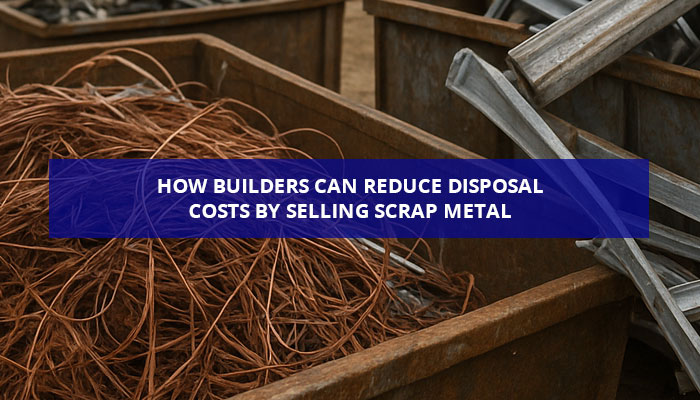
The construction industry is a vital driver of the Australian economy, contributing to infrastructure, housing, and commercial development. However, it is also a significant source of waste, including scrap metal. Managing construction waste efficiently is essential not only for compliance with regulations but also for improving profitability and sustainability.
One of the most effective strategies builders can adopt to reduce disposal costs is selling scrap metal generated on site. Scrap metal, often viewed as waste, is actually a valuable resource that can be turned into additional revenue. This article explores how builders can reduce their disposal costs by selling scrap metal, the benefits of doing so, and practical steps to implement a successful scrap metal recycling program.
The Scale of Scrap Metal Waste in Construction
Construction sites generate various types of scrap metal throughout the building process—from demolition of old structures to the installation of new frameworks and fittings. Common scrap metals found on sites include:
- Steel and Iron: Structural beams, reinforcement bars (rebar), scaffolding, and discarded metal panels.
- Copper: Electrical wiring, plumbing pipes, gutters, and roofing materials.
- Aluminium: Window frames, doors, cladding, and roofing sheets.
- Brass and Stainless Steel: Plumbing fittings, fixtures, and appliances.
Because these metals are integral to construction, they often appear in large quantities in waste streams. Instead of paying to dispose of these materials as rubbish, builders can recover significant value by selling scrap metal to licensed recycling companies.
Financial Benefits of Selling Scrap Metal for Builders
1. Offset Disposal and Waste Management Costs
Waste disposal on construction sites can be a costly affair. Skip bins, landfill fees, and waste haulage charges add up quickly, especially for heavy materials like metal. Scrap metal recycling reduces the volume of general waste, meaning smaller or fewer skip bins may be required. This, in turn, lowers overall waste management expenses.
2. Generate Revenue from Waste
Scrap metal has intrinsic value, and metal prices fluctuate with global commodity markets. Metals such as copper and aluminium often fetch high prices, making scrap metal recycling a profitable endeavour. Even steel and iron, though lower in price per kilogram, are generated in large quantities, which can add up.
By selling scrap metal, builders transform a disposal cost into a potential revenue stream. This extra income can help improve project budgets and boost overall profitability.
3. Improve Site Efficiency and Reduce Labour Costs
Separating scrap metal on site can streamline waste management operations. By organising materials properly, waste collection becomes more efficient, and fewer resources are spent on handling and sorting waste off-site. This can reduce labour costs related to waste disposal and improve site safety by minimising clutter.
Environmental and Regulatory Advantages
The construction sector is under increasing pressure to adopt sustainable practices. Recycling scrap metal aligns well with environmental objectives and regulatory requirements:
- Resource Conservation: Recycling metals conserves natural resources by reducing the need for virgin ore mining. This conserves energy and reduces environmental degradation caused by mining operations.
- Reduction of Greenhouse Gas Emissions: Producing metals from recycled materials typically consumes less energy than manufacturing from raw materials. This lowers carbon emissions associated with the construction process.
- Waste Diversion Targets: Many Australian states have waste diversion targets, encouraging or mandating recycling. Proper scrap metal recycling helps builders meet these goals and avoid penalties.
- Improved Community and Client Perception: Demonstrating a commitment to sustainability can enhance a builder’s reputation and attract environmentally conscious clients.
Practical Steps for Builders to Maximise Scrap Metal Recycling
Conduct a Waste Audit
Start by understanding the types and volumes of metal waste generated on site. A thorough waste audit will highlight opportunities for segregation and recycling, allowing you to plan accordingly.
Implement Waste Segregation Practices
Segregate scrap metal from other waste materials at the source. Set up clearly labelled collection points or bins dedicated to different metals such as steel, copper, and aluminium. This reduces contamination and improves recycling efficiency.
Partner with Licensed Scrap Metal Recyclers
Collaborate with professional and licensed scrap metal recyclers who offer competitive pricing and convenient collection services. A trusted recycler can also provide guidance on material preparation and ensure compliance with legal requirements.
Train Your Workforce
Educate your workers and subcontractors on the importance of scrap metal recycling, how to separate metals properly, and the benefits it brings to the project and environment.
Schedule Regular Scrap Metal Pick-ups
Arrange scheduled collections to prevent scrap metal from accumulating excessively on site. This helps keep the site organised and reduces safety hazards associated with clutter.
Common Challenges and How to Overcome Them
Contamination of Scrap Metal
Non-metallic materials like plastics, wood, and insulation can contaminate scrap metal loads, reducing their value or rendering them unacceptable to recyclers. Address this by ensuring clear instructions and supervision on site for proper segregation.
Logistical Issues
Handling and transporting large quantities of scrap metal can be challenging. Solutions include using dedicated bins, arranging for onsite weighbridges, or partnering with recyclers who offer on-site collection and weighing.
Fluctuating Scrap Metal Prices
Prices for metals can vary due to global economic conditions. Staying informed on market trends and maintaining good relationships with recyclers can help builders choose optimal times to sell.
Regulatory Compliance and Ethical Considerations
Scrap metal trading in Australia is governed by regulations designed to prevent theft and illegal trading. Builders must ensure they work with recyclers who adhere to:
- Verification of metal sources and documentation.
- Proper disposal of hazardous materials.
- Accurate record-keeping for scrap metal transactions.
Complying with these regulations protects your business from legal risks and supports ethical recycling practices.
Environmental Stewardship as a Builder
Recycling scrap metal is a visible way for builders to demonstrate environmental leadership. Beyond compliance, it sends a message to clients, stakeholders, and employees about your commitment to sustainable construction.
Final Thoughts
Selling scrap metal is a practical, profitable, and responsible approach for builders looking to reduce disposal costs. By adopting efficient recycling practices, builders can:
- Lower waste disposal expenses.
- Generate additional revenue streams.
- Enhance site safety and efficiency.
- Comply with environmental regulations.
- Support sustainability and resource conservation.
Builders who take scrap metal recycling seriously not only benefit financially but also contribute to building a greener, more sustainable future for the industry and Australia.
Ready to Reduce Your Disposal Costs?
Allied Metal Recyclers specialises in working with builders and construction sites to provide reliable scrap metal recycling solutions. With competitive rates, flexible collection options, and expert advice, we make it easy to turn your scrap metal into cash and reduce your waste management expenses.
Call (08) 6272 2000 today to discuss your project needs, arrange scrap metal collection, or get a competitive quote. Take the first step towards smarter waste management and better project profitability.
