
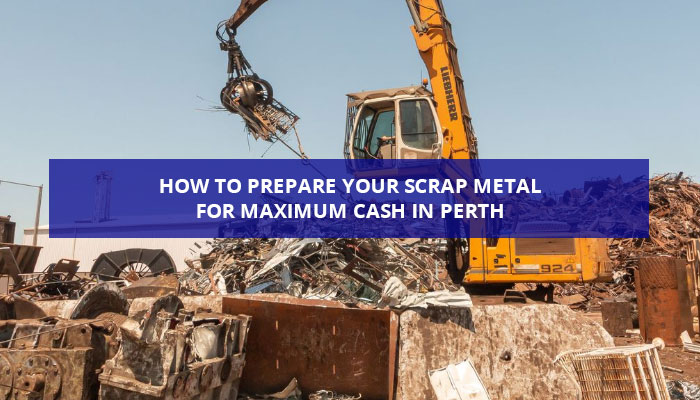
Scrap metal might look like a pile of old taps, roofing and broken appliances, but in Perth it is also a genuine income stream. The difference between walking away with a modest payment and getting the most value for your load often comes down to how well you prepare it. A bit of sorting, cleaning and planning before you head to the yard can mean faster unloading, clearer pricing and better cash in your pocket.
Allied Metal Recyclers works with everyone from home renovators and hobbyists through to tradies and commercial operators across Perth. This guide walks you through practical ways to prepare your scrap so it is safe, compliant and attractive to a professional recycler.
Why preparing your scrap metal matters in Perth
When you arrive at a scrap yard, the team needs to quickly work out what you have, how clean it is and how much of it can actually be recycled. The more clearly your scrap is sorted, the easier it is for them to weigh and grade it correctly. That usually means fewer downgrades and less time spent pulling non‑metal materials out of the pile, which can directly influence your return.
Perth’s geography also plays a role. Many people are travelling a fair distance from home, site or workshop to a recycler. If you arrive with a mixed or contaminated load, part of it may have to be refused or priced at a lower grade than you expected. That is wasted time and fuel. Arriving with well‑prepared scrap helps you make the most of every trip.
Good preparation is not just about money, either. Removing hazards, sharp protrusions and liquids makes your load safer to handle, protects staff at the yard and reduces the environmental risk of spills or contamination. A clean, sorted load shows you take your responsibilities seriously and sets up a positive relationship with your recycler.
Know what you have: common scrap metals and grades
Before you start cutting, stripping or loading anything, it helps to understand what you are looking at. Scrap is broadly divided into ferrous metals, which contain iron, and non‑ferrous metals, which do not. A simple magnet test is often enough: if a magnet sticks strongly, it is probably steel or cast iron; if it does not, it could be copper, aluminium, brass or stainless, which generally attract higher prices.
High‑value non‑ferrous metals
For most households and tradies, the real money is in non‑ferrous metals. Copper is found in plumbing offcuts, hot water system fittings and electrical cable. Brass commonly appears in taps, valves and decorative hardware. Aluminium shows up in window and door frames, ladders, irrigation fittings and some engine parts. Stainless steel sinks, benches and food‑grade equipment are also sought after.
These metals are usually graded by how clean and pure they are. For example, bright, uncoated copper wire with no plugs attached is typically more valuable than mixed, painted or burned material. By taking time to separate clearly identifiable non‑ferrous metals from general steel, you make it much easier for Allied Metal Recyclers to weigh and price them fairly.
Everyday ferrous scrap
Ferrous metals, such as mild steel and cast iron, are everywhere: roofing iron, beams, structural offcuts, shelving, vehicle panels and old machinery. They do not pay as much per kilo as non‑ferrous metals, but the volume often adds up, especially for construction and demolition work or farm clean‑ups around Perth.
With ferrous scrap, volume and safety matter more than fine grading. Straight lengths of steel, bundled roofing sheets and neatly stacked beams are quick to handle. Rusty or painted steel is normally acceptable, but heavy contamination with concrete, timber or plastic can cause problems and may reduce the price or mean parts of the load cannot be taken.
Step‑by‑step: getting household scrap ready
Start with safety and a clear work area
Even a small pile of scrap metal can be unforgiving. Set up a stable area to work, preferably on solid ground with room to move around the pile. Wear sturdy gloves, closed‑in footwear, long sleeves and eye protection as a minimum. Offcuts and sheared edges are sharp, and old items can hide nails, screws and broken glass.
Avoid rushing into cutting or grinding unless you are competent and have the right gear. In many cases you can significantly improve the quality of your load simply by sorting and removing loose rubbish, without any power tools.
Sort by type, not by item
Instead of throwing everything into one mixed heap, group it into broad categories. Put obvious copper pieces together, like pipe offcuts and bare wire. Keep brass tap bodies and fittings in another pile, aluminium window frames and extrusions in another, and general steel in its own section. Use the magnet test to help you separate non‑ferrous metals from steel.
You do not need to become an expert grader overnight. The goal is to avoid obvious mixing, such as copper buried in a steel pile or stainless pieces hidden in with mild steel. When you arrive at Allied Metal Recyclers with clearly separated groups, the team can quickly identify what is what and place it into the right bins for weighing.
Remove obvious contaminants
Scrap yards are set up to handle metal, not household rubbish. Taking a few minutes to remove non‑metal materials can make a big difference. Pull off loose plastic, rubber and timber where it is easy and safe. Empty toolboxes or drawers before you bring them in so they do not contain screws, rubbish or liquid. Shake soil, leaves and concrete dust out of items where possible.
Some items, like steel with plastic handles or light surface coatings, are usually fine to leave as is. However, if an item is mostly plastic with only a little metal, it often makes more sense to remove the metal parts and discard the rest through your normal waste channels. If in doubt, you can always ring ahead and ask what Allied Metal Recyclers can accept.
Preparing common household items
Whitegoods and appliances are a common source of scrap around Perth. Old washing machines, dishwashers and dryers are usually acceptable once they are empty and free of loose rubbish. Fridges and freezers are more complex because of the refrigerant gas. Legally, the gas must be removed by a licensed technician; do not cut lines or try to release it yourself. Check with your local council or a licensed refrigeration service about degassing before you deliver.
With aluminium window and door frames, remove as much glass, rubber and timber as you can safely manage. Offcuts from renovations are often very clean and straightforward. Bikes, metal outdoor furniture and tools can usually be taken as is once you have removed any large plastic or fabric parts that come off easily.
Preparing scrap for tradies and businesses
For tradies and commercial operators, preparation is about building simple habits that keep scrap flowing smoothly from site or workshop to recycler. Instead of one overflowing corner where everything ends up, aim for clearly labelled areas or containers for different metals. A plumbing business might keep separate tubs for copper pipe, brass fittings and general steel, while an electrical contractor sets aside clean copper wire, insulated cable and switchboard gear.
Keeping non‑ferrous scrap away from demolition rubble, concrete and general waste is especially important on busy sites. When brass valves or copper offcuts are lost in a skip with broken tiles and plasterboard, no one wins. Allocating a specific bin for “clean metal only” and making sure everyone on site understands the difference helps protect value.
Fabrication and engineering shops can benefit from treating offcuts like a product rather than an afterthought. Keeping steel, stainless and aluminium offcuts sorted by type and free of coolant, grinding dust and offcut plastics means they can go straight into the appropriate stream at Allied Metal Recyclers. Regularly clearing these bins keeps your workshop tidier and turns what would otherwise be clutter into a predictable revenue line.
Common mistakes that cost you money
A few recurring issues tend to reduce scrap value or cause frustration at the yard. The first is heavily mixed loads where everything from copper pipe and aluminium sheet to painted steel, plastic and timber is piled together. Sorting that mixture takes time and may result in the whole lot being treated at a lower grade as “mixed metal”.
Another common problem is contamination with liquids. Fuel tanks, oil drums, hydraulic components and radiators can all hold fluids that must be drained properly before you arrive. Leaking items are a safety and environmental risk and may be rejected outright. Similarly, sealed containers such as gas bottles and fire extinguishers often need special handling. Never cut or drill into sealed vessels; check with the recycler first about what is acceptable.
Over‑cleaning can also be a trap. Stripping every cable by hand or spending hours removing small screws from low‑value steel is often not worth your time. Focus your efforts where they make the biggest difference, such as separating obvious non‑ferrous metals and removing bulk rubbish. If you are unsure how far to go, Allied Metal Recyclers can advise what will and will not improve your return.
Safety and environmental responsibilities
Good scrap preparation goes hand in hand with safe handling and responsible environmental behaviour. Always consider the weight and balance of what you are lifting or moving. Use trolleys, pallet jacks or mechanical lifting where possible, and avoid awkward solo lifts of heavy engines, beams or machinery.
Store scrap away from drains and garden beds so that rust, oils and residues do not wash into the soil or stormwater during Perth’s winter rains. Oils, coolants, fuels and other chemicals should be drained into suitable containers and taken to an approved disposal facility or collection point, not tipped into your scrap pile. Keeping these substances out of your metal load protects both the environment and the people handling it.
When loading a trailer or ute, place heavier items low and secure everything with straps or chains. Loose sheets and offcuts can become dangerous projectiles on the road. A well‑tied load not only keeps you legal but also maintains the condition of your scrap so it can be handled quickly when you arrive at the yard.
How pricing and payment work in Perth
Scrap metal prices change over time as global commodity markets move and local demand shifts. In general, clean, well‑sorted non‑ferrous metals such as copper, brass and aluminium attract higher rates than mixed or contaminated material. Ferrous scrap is priced differently, often focusing on bulk weight and ease of processing.
At a professional yard, your vehicle will usually be weighed on arrival and again after unloading, or individual bins will be weighed separately for different metals. When your scrap is already separated into clear categories, Allied Metal Recyclers can process it more efficiently and ensure you are paid according to the correct grades. That transparency is much harder to achieve when everything is jumbled together.
Because markets move, it is always worth ringing ahead for an indication of current prices and to confirm which materials can be accepted. This is particularly important if you have unusual items, very large pieces or a mix of industrial and household scrap.
Working with Allied Metal Recyclers
Choosing the right recycling partner is just as important as the way you prepare your scrap. Allied Metal Recyclers is a dedicated Perth scrap metal specialist, dealing with both ferrous and non‑ferrous materials from households, tradies and businesses. By turning up with safe, sorted and reasonably clean scrap, you make it easier for their team to give you clear, competitive pricing and straightforward service.
If you are planning a major clean-up, renovation or ongoing scrap collection from your business, it pays to have a quick conversation beforehand. The team can outline what they buy, any materials that need special treatment and simple ways to separate your metals so that you get the best possible outcome from each load.
With a small amount of preparation, your scrap metal stops being a headache in the shed or on site and becomes a reliable source of extra income. To get tailored advice for your situation and find out how to make your next load work harder for you, call 0474 854 369 for enquiries.
