
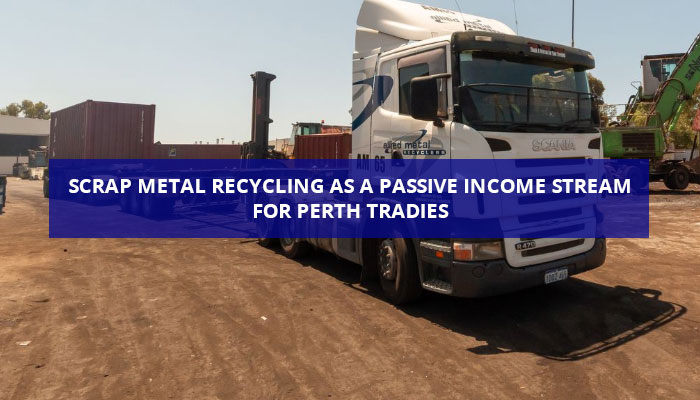
In the fast-paced world of trades, many professionals in Perth are constantly seeking ways to maximise revenue and reduce waste. One opportunity that often goes underutilised is scrap metal recycling. For tradies, recycling scrap metal isn’t just an environmentally responsible choice—it can also provide a steady, passive income stream.
This article explores how tradies in Perth can leverage scrap metal recycling, the types of metals that offer the best returns, practical strategies for collecting and selling scrap, and the long-term benefits for both business and personal finances.
Why Scrap Metal Recycling Matters for Tradies
Tradies generate a significant amount of metal waste through daily work, whether it’s copper wiring from electricians, aluminium frames from glaziers, or steel offcuts from builders. Traditionally, much of this material ends up in landfill, resulting in lost potential revenue.
By recycling scrap metal, tradies can turn waste into profit. Metals like copper, stainless steel, aluminium, and brass are highly sought after by recycling facilities, offering competitive rates that reflect global and local demand. For tradies, understanding the value of these materials can transform job sites from a source of waste into a passive income opportunity.
Types of Scrap Metals That Pay Well
Not all metals are created equal when it comes to recycling. Tradies should focus on collecting high-value metals that offer the best return on investment:
1. Copper
Copper is one of the most valuable scrap metals available. Commonly found in electrical wiring, plumbing pipes, and HVAC components, copper can yield substantial revenue. Clean, stripped copper fetches higher prices, so taking the time to remove insulation and contaminants can make a significant difference in earnings.
2. Aluminium
Aluminium is lightweight, corrosion-resistant, and used in a variety of applications, including window frames, roofing, and car parts. It is highly recyclable, and aluminium scrap commands competitive rates in Perth due to strong demand in manufacturing and construction industries.
3. Stainless Steel
Stainless steel is found in kitchen appliances, fixtures, and structural components. It is durable, corrosion-resistant, and highly sought after by recycling facilities. Sorting stainless steel separately from other metals ensures tradies can maximise returns.
4. Brass and Other Alloys
Brass, often used in plumbing fittings and decorative fixtures, is a high-value metal. Other mixed alloys can also generate income if sorted and processed correctly. Knowing the specific metal types on site allows tradies to make informed decisions about which materials to collect and sell.
Practical Strategies for Tradies
Turning scrap metal into a passive income stream requires planning and organisation. Here are practical strategies for tradies to maximise profits:
1. Establish a Collection System
Set up designated containers or bins on job sites for scrap metal collection. Encourage staff to separate metals by type—copper, aluminium, steel, and brass—to simplify sorting and increase the value of the scrap. Having a consistent system ensures that valuable materials are not discarded or mixed with general waste.
2. Partner with Reliable Recycling Facilities
Working with reputable scrap metal recyclers in Perth ensures tradies get fair pricing and efficient service. Facilities like AMR offer transparent rates, prompt collection, and guidance on how to prepare metals for sale. Establishing a relationship with a local recycler can streamline the process and make it easier to turn scrap into cash.
3. Monitor Market Rates
Scrap metal prices fluctuate based on global demand, supply, and commodity market trends. Tradies can maximise profits by keeping an eye on market rates and selling materials when prices are favourable. Many recycling facilities provide up-to-date pricing, making it easier to plan sales strategically.
4. Minimise Contamination
Contaminated or mixed scrap can reduce the value of materials. Removing insulation, paint, or other non-metal attachments before sale ensures tradies receive the best possible price. Even small efforts to clean and sort metals can have a noticeable impact on income.
5. Store Materials Safely
Safe storage of collected scrap metal prevents loss, theft, or damage. A secure, organised area on-site or at a storage facility ensures that materials retain their value and are ready for transport to recycling facilities.
Long-Term Benefits for Tradies
Investing time and effort into scrap metal recycling offers multiple benefits beyond immediate income:
- Steady Passive Income: Over time, regular collection and sale of scrap metals can provide a consistent supplemental revenue stream for tradies.
- Environmental Responsibility: Recycling reduces landfill waste and supports sustainable practices, enhancing the reputation of businesses committed to eco-friendly operations.
- Cost Savings: Reusing or repurposing scrap metals can reduce the need to purchase new materials, lowering operational costs.
- Enhanced Business Reputation: Clients increasingly value businesses that prioritise sustainability. Offering environmentally responsible services can differentiate tradies in competitive markets.
Case Study: How a Perth Tradie Turned Scrap into Profit
Consider a Perth-based electrician who implemented a simple scrap collection system across multiple job sites. By separating copper wiring, aluminium conduits, and stainless steel fixtures, the business consistently collected around 200 kilograms of scrap per month.
Selling these materials to a local recycling facility generated an additional income of approximately $1,500 per month. Over a year, this passive income amounted to $18,000, demonstrating the significant financial potential of scrap metal recycling when approached strategically.
Tips for Getting Started
For tradies interested in exploring scrap metal recycling as a passive income stream, the following steps provide a solid foundation:
- Audit Job Sites: Identify the types and quantities of metals typically generated.
- Set Up Storage and Sorting: Designate bins and storage areas, separating metals by type.
- Partner with a Reputable Recycler: Choose a reliable facility that offers competitive rates and collection services.
- Train Staff: Ensure team members understand the importance of sorting and cleaning scrap.
- Monitor Prices: Track market rates to sell materials when they are most valuable.
- Maintain Records: Keep track of volumes, types, and income generated to evaluate the effectiveness of the recycling program.
By following these steps, tradies can transform ordinary waste into a profitable resource, contributing to both financial and environmental gains.
Conclusion
Scrap metal recycling offers Perth tradies a unique opportunity to create a passive income stream while supporting sustainable practices. By collecting, sorting, and selling high-value metals such as copper, aluminium, and stainless steel, tradies can turn job site waste into cash, reduce environmental impact, and enhance their business reputation.
With careful planning, reliable partnerships with recycling facilities, and attention to market trends, scrap metal recycling can become a consistent and valuable part of a trades business.
Call Allied Metal Recyclers on (08) 6272 2000 today to learn how your business can maximise profits from scrap metal recycling. Our team provides expert advice, competitive pricing, and convenient collection services across Perth, helping tradies turn waste into opportunity.
