
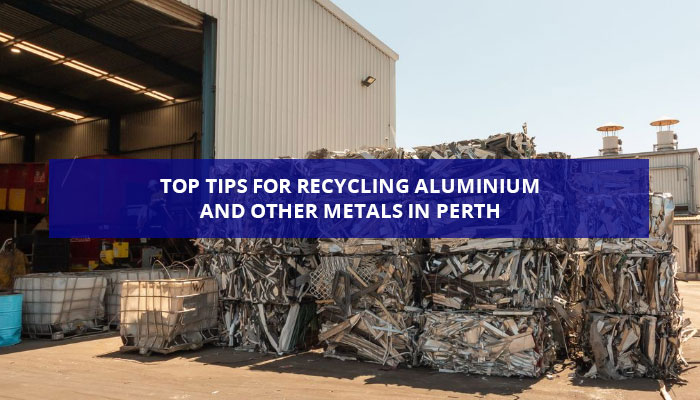
Recycling aluminium and other metals is one of the simplest ways Perth households and businesses can reduce waste, trim costs, and lessen their environmental footprint. Metal is endlessly recyclable and, when it is handled by a professional recycler, you are not only keeping valuable resources out of landfill but often earning money back at the same time.
At Allied Metal Recyclers, we work with everyone from local tradies to large industrial operators and home renovators across Perth. With a few practical habits, you can make your scrap easier to process, safer to handle, and more valuable when it reaches our yard.
This guide walks through straightforward, real-world tips to help you get the most from recycling aluminium and other metals in Perth.
Why Recycling Aluminium and Other Metals Matters in Perth
Perth is growing quickly, which means more construction, renovation, and day-to-day consumption. All of that activity creates a steady stream of metal waste, from aluminium cans and window frames to copper wiring and steel beams.
Recycling these metals makes a real difference.
First, it conserves resources. Producing aluminium from raw bauxite is extremely energy intensive. Recycling aluminium uses only a fraction of that energy, significantly cutting greenhouse gas emissions. The same logic applies to other metals such as copper, brass, and steel.
Second, it reduces landfill pressure. Metals do not break down in the same way organic material does. Once they are buried in landfill they sit there for decades or longer, taking up precious space that could be avoided simply by diverting scrap to a metal recycler.
Third, recycling supports the local economy. When you bring your scrap to us, we sort, process, and ship metal to be reused. This activity supports local jobs, underpins manufacturing supply chains, and makes better use of materials already in circulation.
Taken together, these benefits make proper metal recycling one of the easiest sustainability wins available to homes and businesses in Perth.
Knowing Your Metals: Aluminium and Beyond
Before you can recycle metals effectively, it helps to understand what you are dealing with. Different metals attract different prices and sometimes require different preparation.
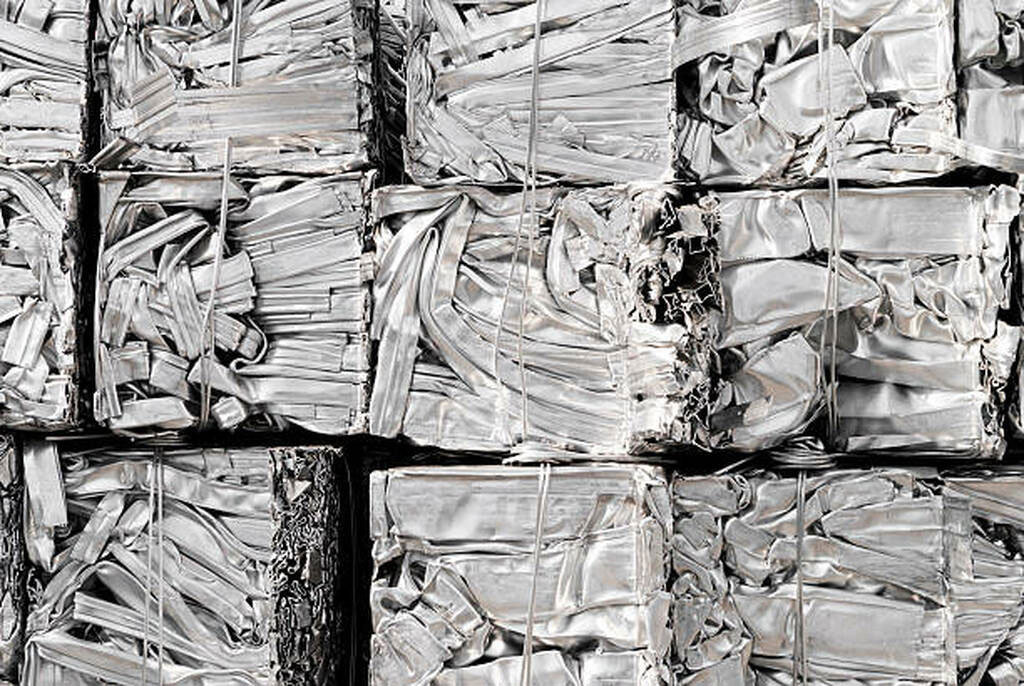
Aluminium
Aluminium is light, silvery, and often used where weight matters. Common examples include drink cans, foil trays, window and door frames, bike parts, kitchenware, and roofing sheets.
Clean, uncontaminated aluminium is generally more valuable than mixed or dirty material. It is also one of the most widely recycled metals in Perth, thanks to how common it is in everyday life.
Non-ferrous metals: valuable and versatile
Non-ferrous metals do not contain iron. They usually attract better prices than basic steel, so it is worth knowing how to spot them.
Copper has a distinctive reddish-brown colour and is found in electrical wiring, plumbing pipes, hot water systems, and motors. It is highly valuable and always worth keeping separate.
Brass has a yellowish-gold colour and is commonly used for taps, fittings, valves, and decorative hardware.
Stainless steel is typically shiny, sometimes magnetic, and widely used for sinks, benchtops, handrails, and commercial equipment.
Lead appears dull grey and heavy for its size. It is found in some roofing materials, weights, and older components. Because it is toxic, it must be handled and recycled correctly.
Separating these non-ferrous metals before you bring them to us can significantly improve your returns.
Ferrous metals: steel and iron
Ferrous metals contain iron and are usually magnetic. They include everyday materials like mild steel and cast iron.
Mild steel is used in beams, sheets, frames, fencing, and general fabrication. It is the workhorse metal of building and manufacturing.
Cast iron is common in older machinery, some pipework, engine blocks, and heavy components.
Even though ferrous metals usually attract lower prices than non-ferrous metals, they are still well worth recycling, especially when you have volume from construction, demolition, or industrial work.
A simple way to tell if something is ferrous is to use a magnet. If it sticks, it is most likely steel or iron. If it does not, it may be aluminium, copper, stainless, or another non-ferrous metal.
Top Tips for Recycling Aluminium in Perth
Aluminium is everywhere, and with a few habits you can turn it from general rubbish into a reliable source of recycling value.
Keep aluminium separate from other metals
When aluminium is mixed in with general scrap, it often ends up being weighed as a lower-value mixed load. By storing aluminium separately from steel and other metals, you make it easier for us to identify and grade it accurately.
For example, you can keep a specific tub, crate, or wheelie bin labelled “Aluminium Only” in your workshop, warehouse, or garage. Cans, offcuts, frames, and sheet can all go into the same aluminium container.
Clean off obvious contaminants
You do not need to polish every piece, but removing obvious contaminants helps. Rinse out drink cans, knock out concrete from aluminium formwork, and avoid including heavily food-soiled foil trays.
The cleaner the load, the easier it is for us to process and the less likely it is to be downgraded or rejected.
Remove non-metal attachments where practical
Many aluminium items come with screws, plastic handles, rubber seals, or glass attached. You do not have to strip every last part, but removing the bulk of non-metal material where it is easy to do can improve both safety and value.
For instance, taking the time to remove glass from aluminium window frames before recycling them will usually make them far more straightforward for us to handle and process.
Flatten and compact loose items
Loose cans and lightweight aluminium offcuts can take up a lot of space. Where it is safe to do so, lightly crushing cans and neatly stacking or banding offcuts will allow you to store more material and make transport more efficient.
There is no need to overdo it by compressing items into sealed drums. Overly compacted drums can be difficult and potentially unsafe to handle. Simple space-saving is enough.
Smart Ways to Prepare Other Metals for Recycling
Aluminium is just one part of the metal recycling picture. Copper, brass, stainless steel, and steel all benefit from basic preparation before you deliver them to us.
Sort by type wherever you can
Mixed scrap is generally worth less than sorted material. Separating metals into broad categories such as copper, brass, stainless, and steel can make a noticeable difference.
This does not need to be complicated. Many Perth businesses set up a few clearly labelled containers and train staff to place scrap in the right one. Over time, this simple habit often adds up to better returns on every load.
Remove obvious non-metal components
Where it is easy and safe, remove timber, plastic, fabric, and rubber from your scrap. Offcuts still embedded in concrete, or equipment still full of oil or coolant, may need extra handling or may be unsuitable for standard metal recycling until they are properly drained or cleaned.
If you are not sure about a particular item, you can always phone us for guidance. We will let you know how best to prepare it or whether it should be handled as a different type of waste.
Handle scrap metal safely
Metal can be sharp, heavy, dirty, and awkward to move. Good safety habits protect you and your team and also keep your scrap in better condition.
It is wise to wear gloves and closed-in shoes or boots when handling metal, to avoid cuts and crush injuries. Try not to overload bins or containers so they can be moved safely with forklifts, pallet jacks, trailers, or utes. Store scrap in stable, clearly marked areas away from walkways and emergency exits so it does not create a tripping or collision hazard.
These steps reduce the risk of injury and make it easier for us to load, weigh, and process your metal efficiently when it arrives at our facility.
Practical Tips for Households in Perth
You do not need to run a workshop to benefit from metal recycling. Perth households can build simple habits alongside normal kerbside recycling.
It helps to identify and set aside items such as aluminium cans and clean foil trays, old metal cookware like pots, pans, and baking trays, damaged bikes and scooters, metal garden equipment, as well as metal curtain rods, shelving, and small appliances that have reached the end of their life.
Remember that most household yellow-top bins are not designed for scrap metal beyond standard drink cans. Larger or heavier metal items are better brought directly to us or to a local transfer station that accepts scrap metal.
For bigger clean-ups, such as before or after a renovation, you can collect all metal offcuts, old fixtures, and fittings in a separate pile and bring them to us in one trip. You reduce your tip fees, avoid adding to landfill, and may be paid for the metal you have set aside.
Practical Tips for Trades and Businesses
Tradies and businesses in Perth often generate a steady flow of metal scrap without realising how much value they are handling.
Electricians can collect copper cable offcuts, switchboard components, and conduit with metal fittings. Plumbers and gas fitters often have copper pipe, brass fittings, and hot water units. Fabricators, engineers, and construction firms see a mix of steel, aluminium, and stainless offcuts every week.
Setting up a simple internal system can make a big difference. For example, you can keep separate bins for steel, aluminium, and higher-value non-ferrous metals such as copper and brass. It can help to nominate a staff member to monitor when bins are nearly full and organise trips to our yard. For security, store high-value metals like copper in more secure areas to prevent theft.
By consolidating scrap and arranging regular drop-offs or collections with our team, many businesses turn what used to be rubbish into a helpful credit against operating costs.
What Not to Do When Recycling Metals
Knowing what to avoid is just as important as knowing what to collect.
Do not include sealed or pressurised containers such as gas cylinders, fire extinguishers, or aerosol cans with general scrap metal. These can be dangerous if cut or crushed and often need to be handled through specialised programs or returned to suppliers.
Avoid sending in items contaminated with oil, fuel, chemicals, or asbestos. Old machinery or equipment should be drained of fluids where possible. Anything with suspected asbestos content requires specialist removal and cannot simply be treated as scrap metal.
Do not burn off insulation or coatings to clean metal. This is unsafe, can release hazardous fumes, and may be illegal. We have equipment and processes to deal with coatings and insulation safely, so there is no need to take risks on site.
If you are in doubt, speak to us before dropping off questionable items. A quick phone call can save you time, protect staff, and ensure your load is accepted without issues.
How We Make Metal Recycling Easier
At Allied Metal Recyclers, we believe good recycling should be straightforward, transparent, and worthwhile.
For households, we provide a simple drop-off option for aluminium and other metals, helping you clear clutter and ensure your unwanted items are handled responsibly.
For tradies and businesses, we accept a wide range of metals, from everyday ferrous steel to higher-value non-ferrous materials such as copper, brass, and aluminium. With accurate weighing and transparent pricing, you can trust that your loads are assessed fairly.
We also understand the realities of busy worksites and workshops. By offering guidance on sorting metals, preparing loads, and organising regular recycling runs, we help you build metal recycling into your normal operations rather than treating it as an afterthought.
Whether you are cleaning out a shed, wrapping up a renovation, or managing regular industrial scrap, choosing a Perth-based specialist like our team at Allied Metal Recyclers puts your metals back to work instead of sending them to landfill, so when you are ready to make aluminium and metal recycling in Perth simpler, safer, and more rewarding, call us on (08) 6272 2000 to discuss how we can help with your next load of scrap.
