
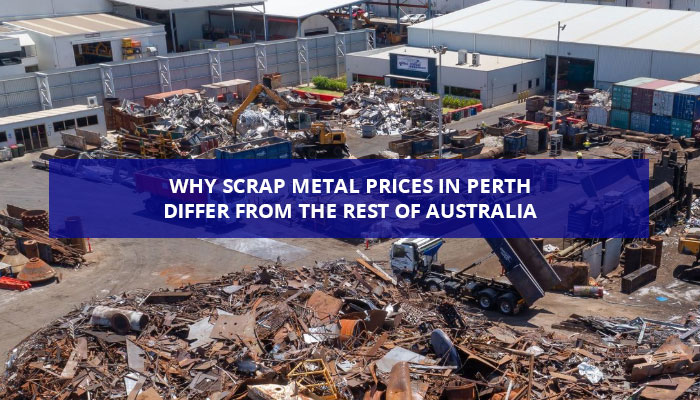
Scrap metal recycling has long been a crucial component of Australia’s industrial and environmental landscape. For both businesses and individual sellers, understanding the market for scrap metal is essential to make informed decisions. One notable aspect of the Australian scrap metal industry is that prices can vary significantly between regions, with Perth often exhibiting different rates compared to other cities such as Sydney, Melbourne, or Brisbane.
In this article, we explore why scrap metal prices in Perth differ from the rest of Australia, highlighting the key factors that influence these variations and offering insights into how sellers can navigate the market effectively.
Local Supply and Demand Dynamics
One of the primary reasons scrap metal prices in Perth differ from other regions is the balance of local supply and demand. Perth has a unique industrial and economic profile, influenced by its mining, construction, and manufacturing sectors.
Western Australia is rich in resources, particularly metals such as iron ore, nickel, and aluminium. This abundance creates both opportunities and challenges for the scrap metal market. On one hand, industrial activities generate substantial scrap, which can increase local supply. On the other hand, high demand from manufacturing and export markets can drive prices upward.
The result is that scrap metal prices in Perth may not align directly with those in eastern states, where industrial activity and metal consumption patterns differ. Businesses in Perth often experience price fluctuations that reflect the immediate local market rather than national averages.
Proximity to Export Ports
Perth’s location on the west coast of Australia also affects scrap metal prices. The city is strategically positioned for exports to Asia, including countries like China, Japan, and South Korea, which have significant demand for recycled metals.
Proximity to major ports can influence the price of scrap metals, particularly high-demand items such as copper, aluminium, and stainless steel. Export opportunities can create upward pressure on prices in Perth, especially when global metal prices are strong. Conversely, fluctuations in international markets can also affect local scrap metal rates, sometimes creating larger swings than those seen in other regions.
Transportation Costs and Logistics
Transportation and logistics play a crucial role in determining scrap metal prices. Western Australia covers a vast geographic area, and transporting scrap metal to processing facilities or export ports involves significant costs.
These transportation considerations can lead to variations in pricing compared to states with denser populations and shorter distances between collection points and processing centres. For example, a scrap yard in Sydney may source materials from multiple nearby suburbs at relatively low cost, whereas Perth facilities may need to cover longer distances to secure the same volume of scrap.
Higher transportation costs in Perth can be reflected in pricing structures, particularly for bulky or lower-value metals, where transport can make up a significant portion of the total expense.
Regional Industry Specialisation
The composition of industries in a given region also affects scrap metal pricing. Perth’s economy is heavily influenced by mining, construction, and heavy industry, while other states may have a greater concentration of automotive, manufacturing, or retail-related scrap generation.
The types of metals available in different regions can influence local pricing. For instance, a strong presence of mining and construction in Perth may result in an abundance of steel and aluminium scrap, while copper or brass may be less readily available. Variations in supply for specific metals can cause prices to differ from those in other states where industrial composition differs.
Market Competition
Competition among scrap yards and metal recyclers in Perth is another factor affecting pricing. The number of active buyers, their buying power, and the level of competition in the local market can influence how much sellers receive for their materials.
In regions with fewer facilities or less competition, prices may be lower due to limited demand. Conversely, in areas with multiple recyclers actively seeking materials, sellers can benefit from competitive rates. Understanding the competitive landscape in Perth helps both individuals and businesses negotiate better prices for scrap metal.
Quality and Type of Scrap
Not all scrap metal is created equal, and Perth’s market reflects this principle. The quality, type, and condition of metals can affect pricing locally.
High-grade metals such as copper, aluminium, and stainless steel often command premium prices, particularly when they are clean, sorted, and free from contamination. Conversely, mixed or lower-grade metals may receive lower rates, especially if additional processing is required before resale or export.
Homeowners, contractors, and businesses selling scrap metal in Perth should understand that the value of their materials depends not only on market rates but also on the specific quality and type of metal being sold. Proper sorting and preparation can significantly improve returns.
Influence of National and Global Metal Prices
Although local factors are critical, scrap metal prices in Perth are also influenced by national and global metal markets. International demand for metals, changes in commodity prices, and currency fluctuations can all impact local rates.
For example, a surge in global copper prices may lead to higher scrap copper rates in Perth, aligning more closely with eastern states, but differences in local supply and demand may still create disparities. Similarly, fluctuations in iron ore or aluminium markets can affect both mining outputs and scrap metal pricing in Western Australia.
Seasonal and Economic Factors
Seasonal and economic trends also contribute to price differences. Construction activity tends to increase during certain months, generating more scrap steel and aluminium, which can temporarily lower prices due to increased supply.
Economic conditions, including infrastructure projects, housing developments, and industrial expansion, also impact scrap availability and demand. Perth’s economy is closely tied to resource extraction and development, meaning that regional economic trends can create unique fluctuations in local scrap metal prices that may not be mirrored in other states.
Tips for Getting the Best Price for Scrap Metal in Perth
Understanding why prices differ is only the first step. Homeowners and businesses can take practical steps to maximise returns on scrap metal:
- Sort and clean metals: Separated and uncontaminated metals fetch higher prices.
- Monitor market trends: Keep an eye on local and international metal prices to identify the best time to sell.
- Compare buyers: Not all scrap yards offer the same rates; competitive quotes can improve returns.
- Consider bulk sales: Selling larger volumes can sometimes secure premium rates.
- Use professional advice: Experienced recyclers can provide guidance on pricing and preparation.
By taking these steps, sellers in Perth can navigate regional pricing differences effectively and ensure they receive fair value for their scrap metal.
Conclusion
Scrap metal prices in Perth differ from the rest of Australia due to a combination of local supply and demand, proximity to export ports, transportation costs, regional industry composition, and market competition. Quality, type of metal, and global market influences further contribute to variations in pricing.
For homeowners and businesses looking to sell scrap metal in Perth, understanding these factors is key to securing the best possible rates. By preparing materials correctly, monitoring market trends, and working with reputable recyclers, sellers can maximise returns while contributing to the circular economy.
Call Allied Metal Recyclers today on (08) 6272 2000 for expert advice on scrap metal pricing, collection, and recycling solutions in Perth. Our team can guide you through the process and ensure you receive competitive rates for your materials.
