
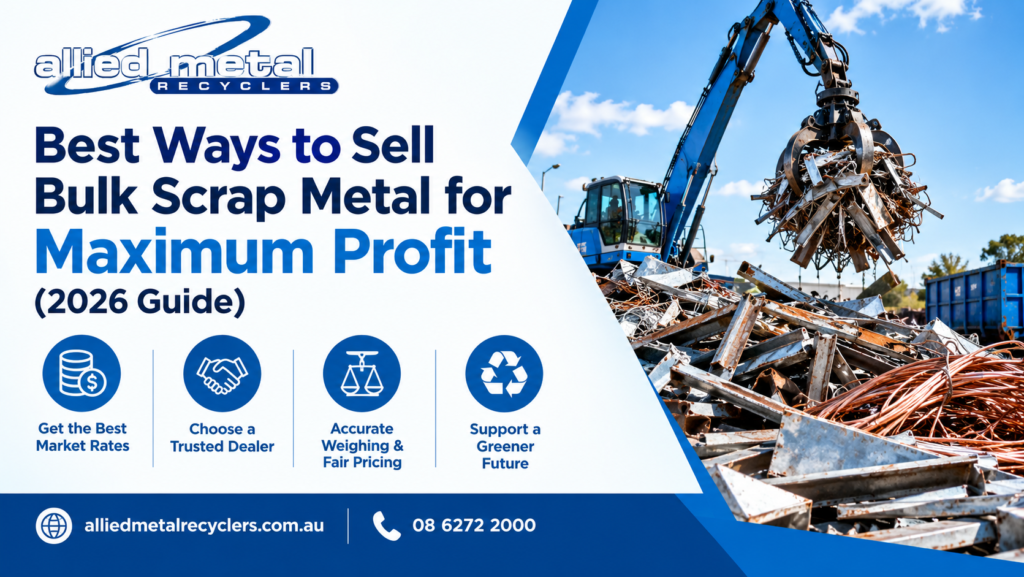
Selling bulk scrap metal can be a smart way to turn unused materials into cash. Whether you are a business, a tradie, or managing a large clean-up, knowing how to approach the process makes a bigger impact.
Many people miss out on better returns simply because they do not prepare or choose the right buyer.
Understanding how metal recycling works, what buyers look for, and how to organise your materials will help you get better outcomes.
This guide walks you through practical steps to maximise returns while keeping the process simple and efficient.
Understand the Value of Your Scrap
Not all scrap is equal. The type and condition of your materials directly affect how they are assessed.
Key things to know:
- Ferrous metals include steel and iron.
- Non-ferrous metals include copper, aluminium, brass, etc.
- Clean and sorted materials are easier to process.
- Contaminated scrap may be less desirable.
Knowing what you have helps you communicate better with buyers and avoid confusion.
Sort and Separate Your Materials
One of the most effective ways to improve results is to properly sort them before sending them for metal recycling.
Why this matters:
- Mixed scrap is harder to process.
- Separated metals are easier to identify.
- Clean loads improve efficiency at recycling facilities.
Simple sorting tips:
- Keep copper separate from aluminium (copper is the highest-paying metal).
- Remove plastic, rubber, or non-metal attachments (it lowers the market value).
- Group similar items together (for greater ease and efficiency).
Good preparation shows professionalism and can lead to smoother transactions.
Choose the Right Buyer
Finding reliable scrap metals near me is essential when dealing with bulk quantities.
Look for:
- Licensed and reputable recyclers.
- Facilities equipped for large-scale loads.
- Clear communication and organised processes.
- Good reviews and local reputation.
Working with experienced providers of commercial scrap metal services in Perth ensures your materials are handled correctly and efficiently.
Plan Transport and Logistics
Bulk scrap often involves large volumes, so planning transport beforehand is important.
Consider:
- Access for trucks or collection vehicles.
- Safe loading and unloading areas.
- Proper timing to avoid delays.
Many commercial scrap metal services in Perth offer collection options, which can save time and effort, especially for businesses.
Understand the Recycling Process
Having a basic idea of how metal recycling works can help you make better decisions.
Typical process:
- Scrap is collected and sorted.
- Materials are cleaned and processed.
- Metals are melted and reused in manufacturing.
This process reduces waste and supports sustainability, making recycling both practical and environmentally responsible.
Build Long-Term Relationships
If you regularly deal with bulk scrap, building a relationship with a recycler can be beneficial.
Advantages include:
- Consistent service.
- Better communication.
- Streamlined pickups and handling.
- Ongoing support for your business needs.
Reliable scrap metals near me providers often prioritise repeat customers who are organised and consistent.
Stay Safe During Handling
Bulk scrap can be heavy and hazardous if not handled properly.
Safety tips:
- Wear gloves and protective gear.
- Avoid lifting beyond safe limits.
- Keep work areas clear and organised.
- Be cautious of sharp edges and rust.
Safety should always come first, especially when dealing with large volumes.
Avoid Common Mistakes
Many sellers reduce their returns without realising it.
Common issues:
- Not sorting waste metal materials.
- Mixing different metal types.
- Delaying recycling for too long.
- Choosing unreliable buyers.
- Not keeping a tab on global scrap metal prices.
- Not doing sufficient research on your part.
Avoiding these mistakes helps you get the most out of your scrap.
Think Long-Term
Metal recycling is not just about one transaction. It can be part of a larger system in your business or project. Scheduling it at regular intervals (based on the metal waste generated by your business) is beneficial.
Benefits of a long-term approach:
- Better waste management.
- Reduced environmental impact.
- More organised operations.
- Consistent handling of materials.
- No piling up at your business site.
- Safe and smooth workflow at the business venue.
Planning ahead makes the process smoother each time.
Conclusion
Selling bulk scrap metal successfully comes down to preparation, organisation, and choosing the right partners. By understanding your materials, sorting them properly, and working with experienced recyclers, you can add more value to your metal recycling goals.
If you are looking for reliable support, Allied Metal Recyclers offers dependable solutions for bulk scrap handling. Decades of industry experience make them a practical choice for businesses and individuals seeking a smooth, professional recycling process.
FAQs
Q. What types of metals can be recycled?
Ans: Most metals can be recycled, including steel, iron, copper, aluminium, and brass. Each type is processed differently.
Q. Why is sorting scrap metal important?
Ans: Sorting makes it easier to process materials and improves efficiency at recycling facilities.
Q. Can I recycle mixed metal loads?
Ans: Yes, but separating metals beforehand usually leads to a smoother, more efficient process.
Q. How do I find reliable scrap metals near me?
Ans: Search for licensed recyclers with strong reviews and experience in handling bulk materials.
Q. What is the role of commercial scrap metal services in Perth?
Ans: Commercial scrap metal services in Perth help businesses manage large volumes of scrap through collection, sorting, and recycling support.
Q. Is metal recycling environmentally beneficial?
Ans: Yes, metal recycling reduces waste, conserves natural resources, and lowers the need for new raw materials.
Q. Can businesses benefit from regular recycling?
Ans: Yes, it ensures regular site clearance following sustainable practices, and it also brings in good cash.
Q. What safety precautions should I take when handling scrap metal?
Ans: Use protective gear, avoid sharp edges, and ensure safe lifting practices.
Q. Do recyclers accept large volumes of scrap?
Ans: Advanced metal recycling facilities are equipped to handle bulk loads, especially those offering commercial services.
Q. How often should I recycle scrap metal?
Ans: It depends on your volume, but regular recycling helps keep your space organised and efficient.
